TVR Will Build the New Griffith at Lotus, With 2028 Deliveries
MOTV Group, TVR's new owner, says the V8, manual Griffith will be built at Factory 3 of Lotus's Hethel Performance Hub in Norfolk, with the first customer cars planned for 2028. A U.S.-homologated version is promised for later that year.
By Exotic Car TrendsPublished 7 min read
The official image released with TVR's Nov 27, 2026 announcement of Griffith production at Lotus's Hethel factory. The wrap appears to cover the 2017 prototype; MOTV says the production car's styling will be refreshed for a 2027 reveal.
TVR is promising a comeback again, and this time it has named a factory. In an official announcement on Nov 27, 2026, MOTV Group, the specialist British company formerly known as Charge Holdings, said it has taken full operational control of TVR and will build the long-delayed new Griffith at Factory 3 of Lotus's Hethel Performance Hub in Norfolk, England. Dynamic testing is due to begin "imminently," and the first customer deliveries are planned for 2028.
MOTV says it acquired a controlling stake in TVR about twelve months ago and has since restructured the company. The new board is led by Paul Abercrombie, CEO of both TVR and MOTV, and includes chief technology officer Steve MacManus, a former Tesla engineering vice president who also held a senior role at Apple; chief commercial officer Trevor Weller, formerly Lotus's global retail development director; and Gavin Bristow, who has worked at McLaren, Uber and SpaceX and founded TVR Garage, a U.S. specialist that imported classic TVRs under the 25-year rule.
We are focused on three things: completing the development of the new Griffith, building it to the highest possible standards, and getting it into customers' hands. Hethel gives TVR a proper home, with its own factory and a test track on the doorstep, right at the heart of British sports car engineering.
Paul Abercrombie, CEO of TVR and MOTV Group, in TVR's Nov 27, 2026 announcement
The official statement describes a V8-engined, manual-transmission, rear-wheel-drive sports car with a bespoke lightweight spaceframe chassis and composite body, promising "a modern yet thrillingly analogue driving experience." It does not publish new horsepower, weight, price or production figures. In an exclusive interview with Autocar ahead of the announcement, Abercrombie said the 2028 car would be fundamentally the same machine revealed in 2017, still using a 500-horsepower Ford Coyote V8 and a Gordon Murray-designed spaceframe, and that the styling and interior would be refreshed for a full reveal next year, when the brand turns 80. He said the starting price would be similar to the previous board's target, adjusted for inflation, which Autocar put at about $157,000 (£120,000). TVR's current capacity at Hethel, he said, is five cars a week, with room to grow but a ceiling of 1,000 cars a year so the company can stay a low-volume manufacturer.
Advertisement
Official TVR video still of the camouflaged Griffith on track, released with the Nov 27, 2026 announcement. MOTV says dynamic testing at Hethel will begin imminently.
For readers in the United States, the more interesting line came when Autoweek asked about left-hand-drive cars. A company spokesman told Autoweek that "LHD (left-hand-drive) versions of the new Griffith, fully homologated for the U.S. market, are planned for later in 2028." TVR has not sold a new car in the States since 1987. Road & Track, writing from the same announcement, was more cautious, saying early deliveries would likely be restricted to U.K. buyers and warning readers not to get their hopes up about a U.S. car just yet. Both can be true at once: a U.S. plan exists on paper, and it is still only a plan.
Why Lotus has room at Hethel
Lotus did not build a factory for TVR. It opened the spare one it already had. The Hethel Performance Hub, launched in June 2026 with backing from the U.K. government, is Lotus's answer to a simple math problem: the Norfolk plant can build about 10,000 cars a year, and Lotus sold about 2,000 in 2025. After a period of falling volumes and job cuts, including a 2025 plan to cut 550 positions, Lotus began offering its engineering, test track, paint shop and assembly halls to other low-volume companies. Zenos was an early partner. On Nov 20, 2026, a week before today's TVR news, Lotus said MOTV would base its engineering, prototyping, design and development work at the hub, with the group's Charge '67 electric 1967 Mustang-bodied car then the named program, aimed at production in late 2027.
Factory 3 is the hall Lotus has dedicated to specialist sports cars, and TVR will have its own production space there plus access to the famous Hethel test track. Abercrombie told Autocar the Lotus deal is a multi-year agreement with room to expand, that MOTV may hire people affected by Lotus's latest restructuring, and that TVR might eventually move into its own building nearby. For a company that spent years trying, and failing, to finish a factory in Wales, renting space at a working sports-car plant is the most concrete step in this story.
The camouflaged Griffith from the official announcement video. Road & Track and PistonHeads note that the wrapped car appears to be the 2017 prototype, with the same basic shape under the disguise.
A revival that started in 2017
None of this is a first announcement. Software entrepreneur Les Edgar bought the TVR rights from Nikolai Smolenski in 2013, after the original Blackpool company collapsed in 2006. The new Griffith was unveiled on Sept 8, 2017, at the Goodwood Revival, with Gordon Murray's iStream construction process, a Cosworth-enhanced 5.0-liter Ford V8, a six-speed manual gearbox and a claimed weight of about 2,756 pounds (1,250 kilograms). TVR talked about a sub-four-second run to 60 mph and a top speed of more than 200 mph. The first 500 Launch Edition cars were priced at under £90,000, with deliveries originally aimed at late 2018 or 2019 from a new factory in Ebbw Vale, South Wales.
The Griffith as it was revealed at the Goodwood Revival on Sept 8, 2017. MOTV says the production car will keep this mechanical layout but will get refreshed styling and a new interior, with a full reveal planned for 2027. This is not a photo of a finished 2028 customer car.
The Welsh plant never built a car. State-aid rules, funding gaps and missed deadlines piled up, and TVR lost the rights to the Ebbw Vale site at the end of 2023. Autocar later reported that the Welsh government had invested about $18 million (£14 million) in the failed factory bid; Autocar's interview with Abercrombie says that support has since been repaid. A 2022 turn toward an electric Griffith, plus a saloon and an SUV, also went nowhere. A later plan to set up at Thruxton circuit in Hampshire never materialized either. Depositors walked away, and for long stretches the company went quiet.
Two other pieces of the 2017 plan are now unsettled. Gordon Murray Technologies, which developed iStream, was later sold to Forseven and is now part of the same CYVN Holdings group that owns McLaren, leaving it unclear whether TVR still has rights to that process. Today's announcement mentions a "bespoke" spaceframe and does not say iStream. Autocar, citing Abercrombie, still describes the chassis as the Gordon Murray design from the 2017 car. Likewise, the official statement only says the Griffith is V8-engined. Autocar reports it will use the same 500-horsepower Coyote; Road & Track notes there is no confirmation that Cosworth is still involved in the engine work.
Advertisement
Charge Holdings, later renamed MOTV Group, took its controlling stake in 2025 and talked then about a multi-phased restructuring. Abercrombie's group has its roots in Charge Cars, which collapsed, was rescued from administration in 2024, and is still developing the electric Charge '67. Autocar reports that Les Edgar and several other directors from the previous era stepped down last week, and that TVR's registered office has moved to MOTV's headquarters in West Drayton, near Heathrow. Road & Track also noted Edgar's resignation, placing it earlier this month.
What happens next
Abercrombie told Autocar that many original deposits have been returned, but that enough loyal depositors remain that the first year of production is hypothetically spoken for, and that MOTV will not take new deposits until production arrangements and a firm launch date are locked down. He also said the previous electric-car roadmap has been dropped, at least for the foreseeable future, and that a convertible or a customer race car would be considered once the coupe is on the market. The next public milestone, if the company hits it, is a 2027 reveal of the finished design, followed by those planned 2028 deliveries and, later that year, the promised U.S. homologation.
Another still from TVR's official announcement video. The company has not released unwrapped photos of a redesigned production Griffith; that reveal is slated for 2027.
Analysis
Our take
We have been here before, and so has anyone who put down a deposit in 2017. Naming a factory is not the same as filling it, and "planned for 2028" is the kind of date this project has missed before. What is different this time is not the language. It is the hardware already sitting in Norfolk: a working test track, a production hall, a parent company that is also preparing another car at the same site, and a leadership team that at least comes from companies that have built vehicles.
That is necessary, not sufficient. Lotus opened the Hethel Performance Hub because it has more factory than it has demand of its own, which is a useful arrangement for TVR and a reminder that this is a spare-capacity deal, not a merger of equals. The Griffith itself is still, in public, a nine-year-old prototype in camouflage. Until we see a frozen 2027 design, an engine that is clearly signed off, and cars lapping Hethel in a way anyone can independently confirm, we will treat 2028 deliveries, and especially a U.S.-certified car later that year, as an intention rather than a schedule.
We would like it to work. A loud, manual, front-engined V8 sports car built in small numbers is exactly the kind of machine the market has started to miss. Wanting it, though, is how the last revival lasted this long without producing a customer car. The test is simple: if TVR is serious, the next year should be full of testing, not more announcements.
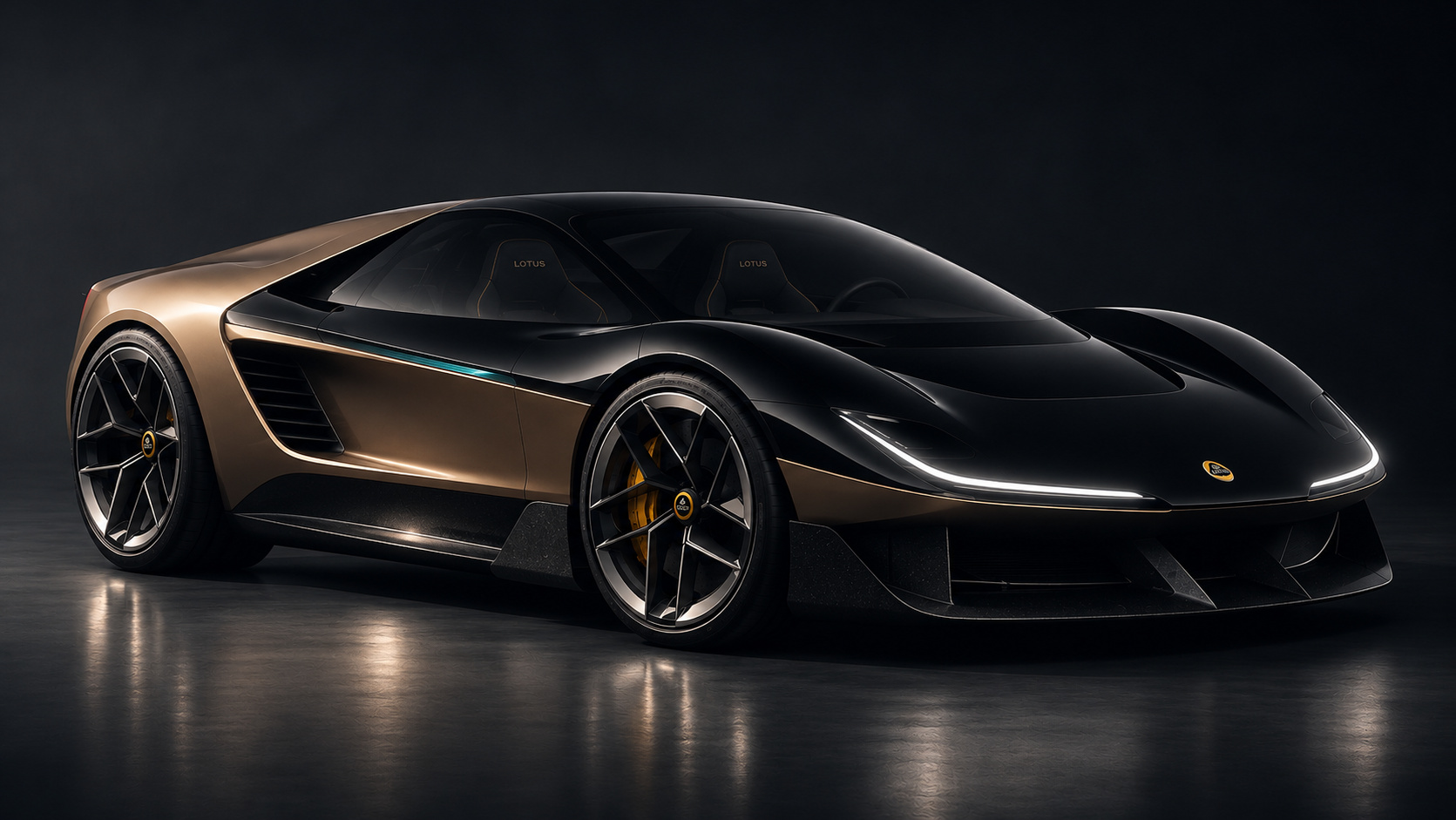
Lotus hasn't confirmed the Esprit name, but it's widely expected for Type 135, the mid-engine hybrid supercar due in 2028. Horse Powertrain has just revealed the twin-turbo 4.0-liter V8 that will power it: officially more than 500 kilowatts on its own, which is more than 670 horsepower and about 590 lb-ft of torque, and Lotus has already said the finished hybrid will make more than 1,000 PS, about 986 horsepower, with the electric motors included.
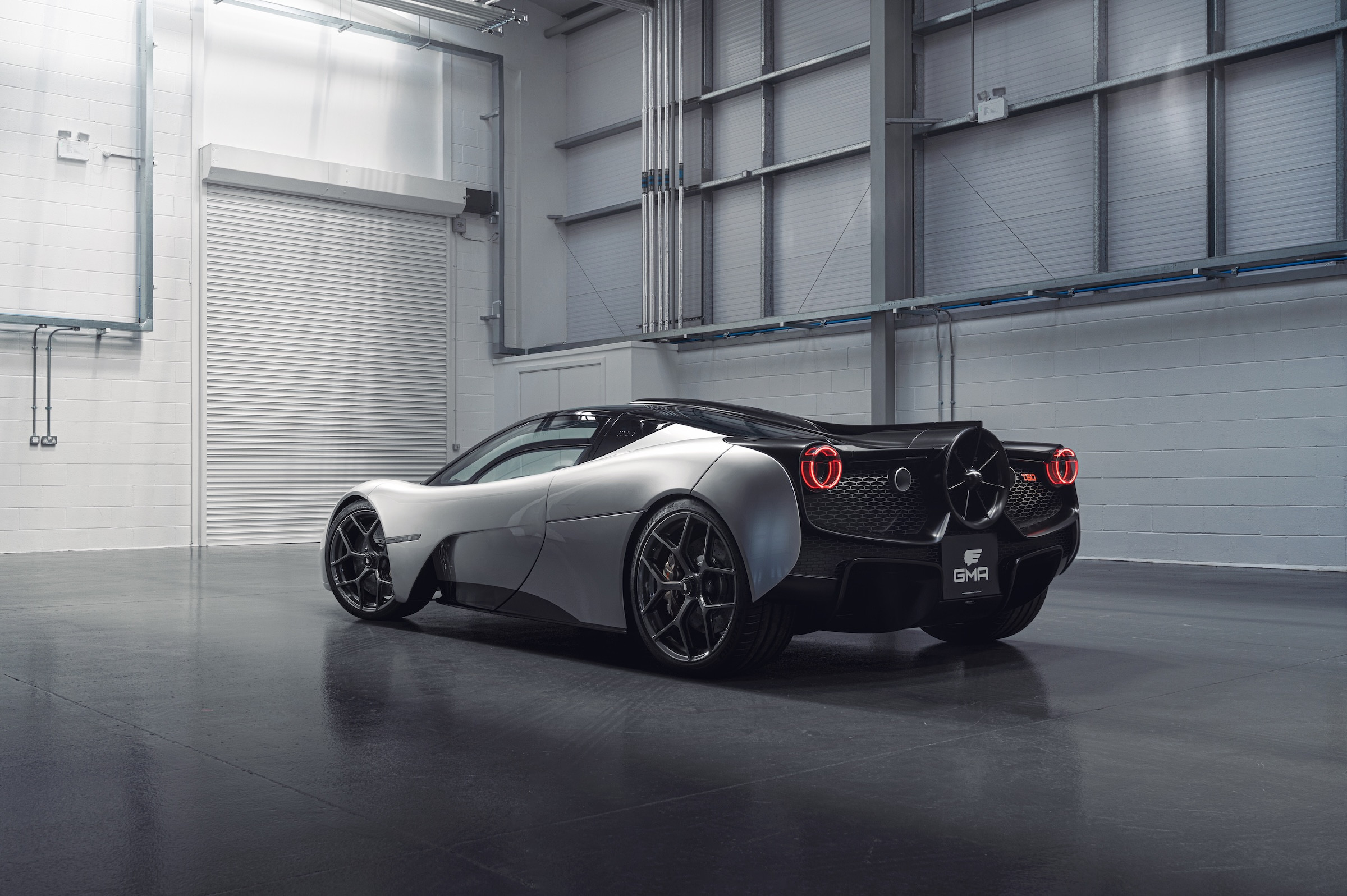
In a Top Gear exclusive published Nov 26, 2026, Gordon Murray said he has spent 18 months, or a little more, designing a completely new Gordon Murray Automotive car with a new engine, a new concept, and a different market in mind. He has not given a body style, specs, price, or date.