The Electric Hypercar Pioneer Who Saved Bugatti's V16
Volkswagen wanted an electric successor to the Chiron. Mate Rimac, the man who built the nearly 2,000-horsepower Nevera, fought to keep combustion alive.
By Exotic Car TrendsPublished 8 min read
Volkswagen wanted an electric successor to the Chiron. Mate Rimac, the man who built the nearly 2,000-horsepower Nevera, fought to keep combustion alive.
If you'd asked enthusiasts who was most likely to turn Bugatti into an all-electric hypercar brand, Mate Rimac would have been near the top of the list. He founded Rimac Automobili, the Croatian company behind the nearly 2,000-horsepower Nevera, and in 2021 he became CEO of Bugatti Rimac, the company that now runs Bugatti. Volkswagen wanted exactly that: an electric successor to the Chiron. But Rimac had other ideas.
His experience selling electric hypercars helped convince him that Bugatti needed to keep its combustion engine. The result is the Tourbillon, a car that arguably wouldn't exist in its current form without the man who helped pioneer the electric hypercar.
Rimac told the story again this week in an Automotive News Europe interview, as reported by Motor1 on Oct 22, 2026. "When we started discussing with VW about our ownership of Bugatti and the future of Bugatti, they were pushing me to make the next Bugatti electric," he said. Building a Bugatti on the Nevera's platform would have been "a lot easier," he added, but feedback from Nevera buyers told him "the market was going in a different direction," so the Tourbillon became "a V16 plug-in hybrid, which was absolutely the right decision."
One thing is worth being precise about. Rimac didn't save Bugatti from electrification. The Tourbillon has three electric motors and a battery you can plug in. What he stopped was Bugatti becoming a fully electric brand, and the obvious shortcut of turning the Nevera into a Bugatti.
This isn't a recent change of heart. Rimac first talked about the argument publicly in August 2022, in a Top Gear podcast interview at The Quail during Monterey Car Week. VW and Porsche, he said, told him during the takeover talks that the next Bugatti needed to be electric, and the easiest move would have been to rebadge the Nevera.
I was fighting furiously with the management of Porsche and Volkswagen. Really heated arguments that the next Bugatti shouldn't be electric.
— Mate Rimac, Top Gear, Aug 23, 2022
In the same interview he set out the plan that still holds: Rimac would stay all-electric, while Bugatti would keep combustion engines "with strong hybridisation" for the foreseeable future. Top Gear ran the quotes again on Sep 6, 2022. At that point Nevera production had only just begun, according to Top Gear Spain, so there were no disappointing sales figures to react to. His case was about what a Bugatti should feel like.
Bugatti's own documentary series, covered by The Drive in June 2024, filled in more detail. Rimac said then-VW chief Herbert Diess "loved" his hybrid idea, but plenty of others insisted the next car had to be electric or doubted his team could develop a combustion engine at all. "I felt like the right thing was to have a combustion engine," Rimac said. "It should be as emotional as possible, and that for me means naturally aspirated."
The Nevera didn't create his view, but it did back it up. In May 2024 he told the Financial Times Future of the Car conference, as reported by Autocar, that development started in 2016 and 2017, "when electric was cool," and that as electric cars went mainstream, buyers at the very top of the market wanted to stand apart. More than 50 of the planned 150 Neveras had been delivered at that point. His comparison: "An Apple Watch can do everything better... But nobody would pay $200,000 for an Apple Watch." He also said an electric Bugatti would have sold, because of the badge, but "nowhere near" as many as the V16 car.
This year Rimac put a number on it. In an Instagram video reported by Top Gear Spain and Motor1, he said Nevera production will end at 71 cars by the end of 2026: 51 standard Neveras and 20 Nevera R models, against an original plan of 150. He still called it the best-selling electric hypercar in the world, and Rimac's own newsroom quoted him in March saying that without the Nevera there would be no Tourbillon.
In the new interview, according to autoevolution's account of it, Rimac compared electric hypercars to digital watches: once their advantages became normal, buyers at the top drifted back to traditional mechanical pieces. He also said that, commercially, starting a car like the Nevera today would be the wrong call.
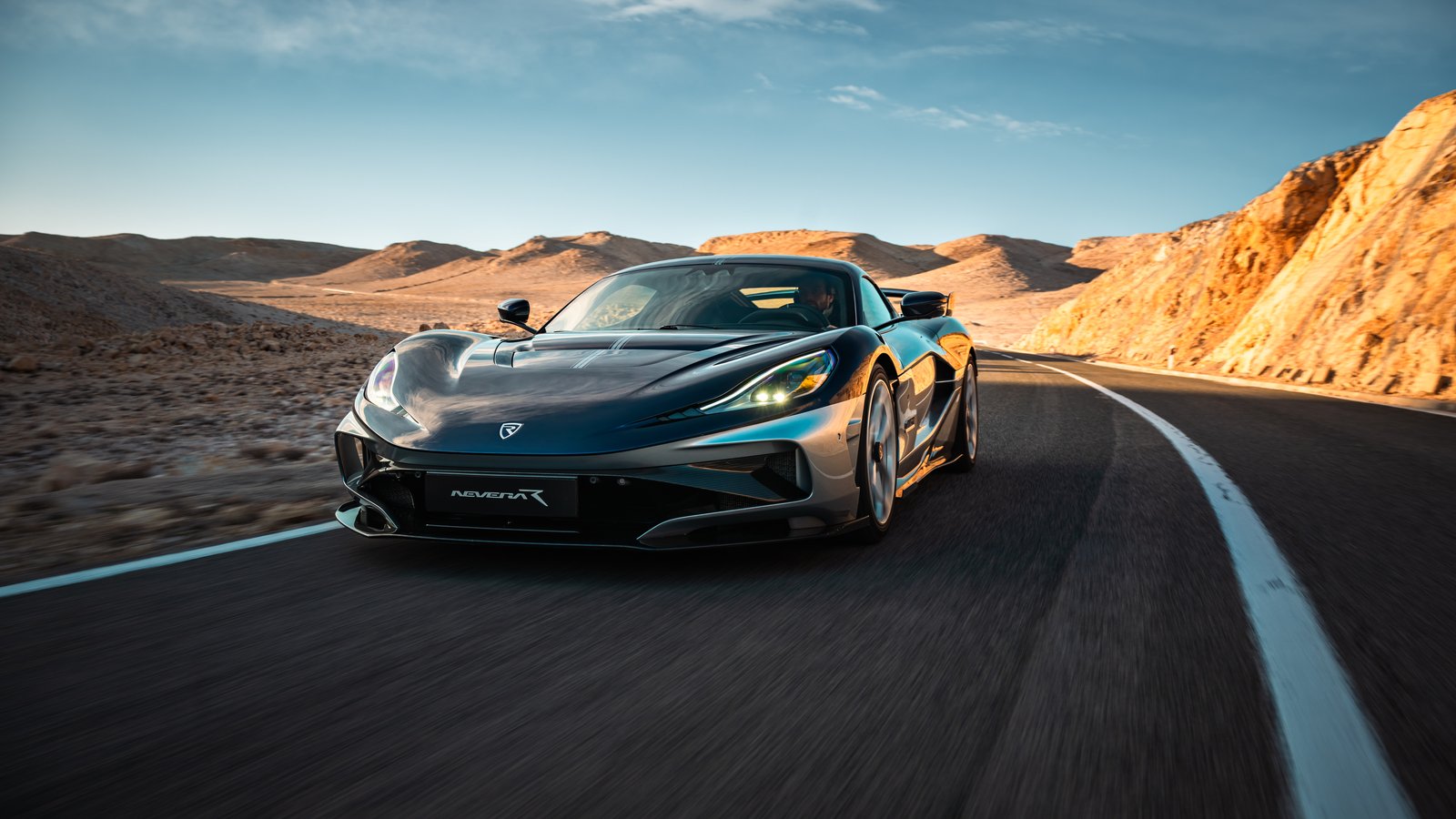
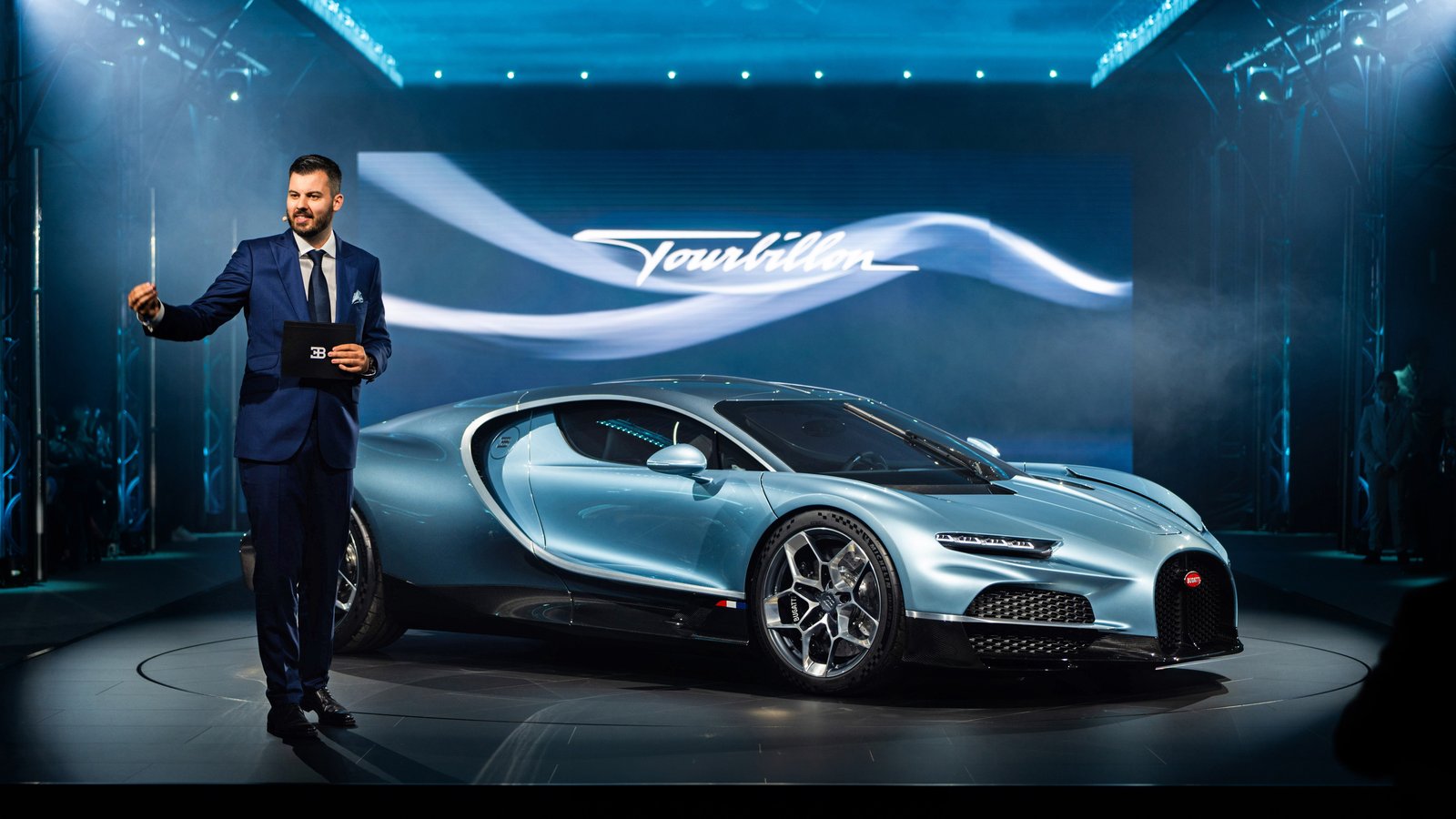
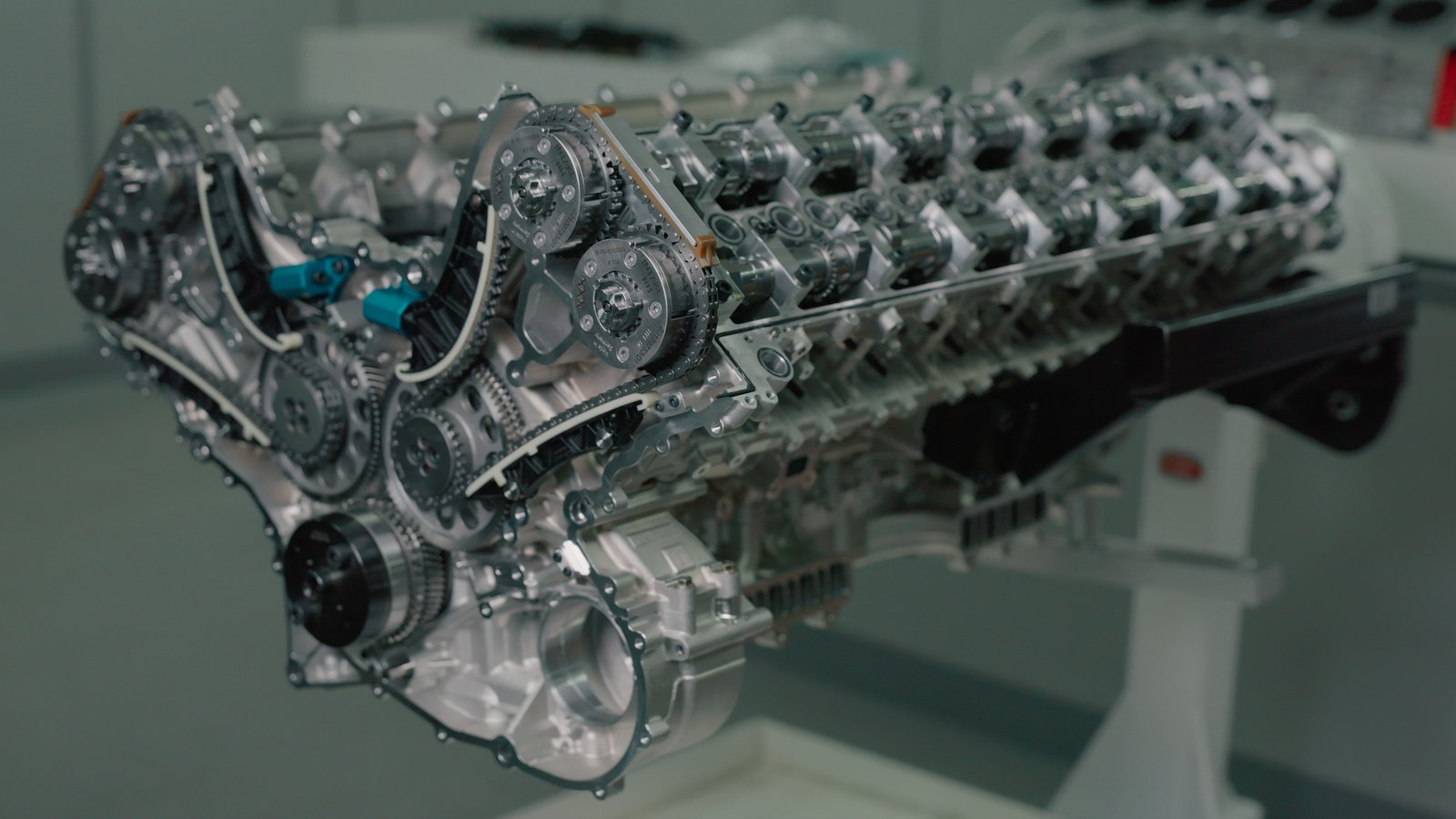
Bugatti revealed the Tourbillon in Molsheim on June 20, 2024. It isn't a reworked Chiron or a Nevera underneath. According to the Bugatti Newsroom, it uses an all-new 8.3-liter naturally aspirated V16, developed with Cosworth, plus three electric motors, two on the front axle and one at the rear. Bugatti says the car sits on an entirely new platform.
Rimac also told Automotive News Europe that the Tourbillon was developed without VW or Porsche involvement, Motor1 reports. The car is in the last stage of testing, and Bugatti opened its new La Manufacture production building in Molsheim in July, according to the Bugatti Newsroom.
The man who argued with VW and Porsche now answers to neither. Porsche completed the sale of its stakes in Bugatti Rimac and Rimac Group on Sep 9, 2026, to a consortium led by HOF Capital, with BlueFive Capital as its largest investor, according to the Porsche Newsroom and the Rimac Newsroom. Porsche had held 45% of Bugatti Rimac, and Rimac Group remains the 55% majority owner. Reuters reported proceeds of about €1 billion for Porsche.
On the same day the Bugatti Newsroom announced that Christophe Piochon would step down as President of Bugatti Automobiles, and that "Mate Rimac himself will take over the role of President of Bugatti Automobiles," alongside his job as CEO of Bugatti Rimac. Former Rimac Technology executive Marko Brkljačić is set to become chief operating officer, and Hendrik Malinowski has since been named chief commercial officer. Rimac told Automotive News Europe, per Motor1, that Bugatti already knows what it wants to bring to market over the next 10 years, crediting "the independence that we have now and the freedom I have to run the company."
Auction results tell a similar story, with the caveat that these are small numbers of very different cars. The Nevera started at €2 million new. In our Nevera tracker, a 2024 Nevera with 3,788 miles sold for $1,352,400 including the buyer's premium on duPont Registry Live on Oct 9, 2026. A 2023 Nevera Time Attack, one of 12 built, sold on Bring a Trailer in June 2026 for $1,677,000 before the buyer's fee. Two other Neveras failed to sell on Bring a Trailer, with top bids of $1.27 million in April 2025 and $1.6 million in April 2026.
The W16 Chiron, Bugatti's last series-production model from the quad-turbo era, is holding up far better. In our Chiron tracker, five Chirons have sold at auction so far in 2026, for between $3.44 million (a Chiron Sport 'Edition Noire' at Gooding Christie's Pebble Beach in August) and $5.07 million (the Chiron Super Sport 'Éléphant Blanc' at Bonhams Scottsdale in January). No Tourbillon has come up for public sale yet.
The irony is real, but it isn't a contradiction. Rimac has never argued that electric cars are slow or dull. The Nevera proved the opposite. His point is that being quickest is no longer enough to make a car special at this level, and the people who spend millions on cars don't buy them for numbers that anything with a big battery can now match. He made that argument in 2022, before the sales figures existed, and the Nevera's 71 cars against a plan of 150 have since made it hard to argue with.
It's also why the Tourbillon is a hybrid rather than a throwback. The electric motors handle the instant shove, and the V16 provides the sound, the revs and the mechanical theater that a motor can't. Bugatti didn't reject electrification. It made electrification serve the engine.
That leaves a bigger question for the whole hypercar world. When extraordinary acceleration becomes commonplace, does the combustion engine itself become the luxury? At Bugatti, the man who helped pioneer the electric hypercar has already bet that it does.
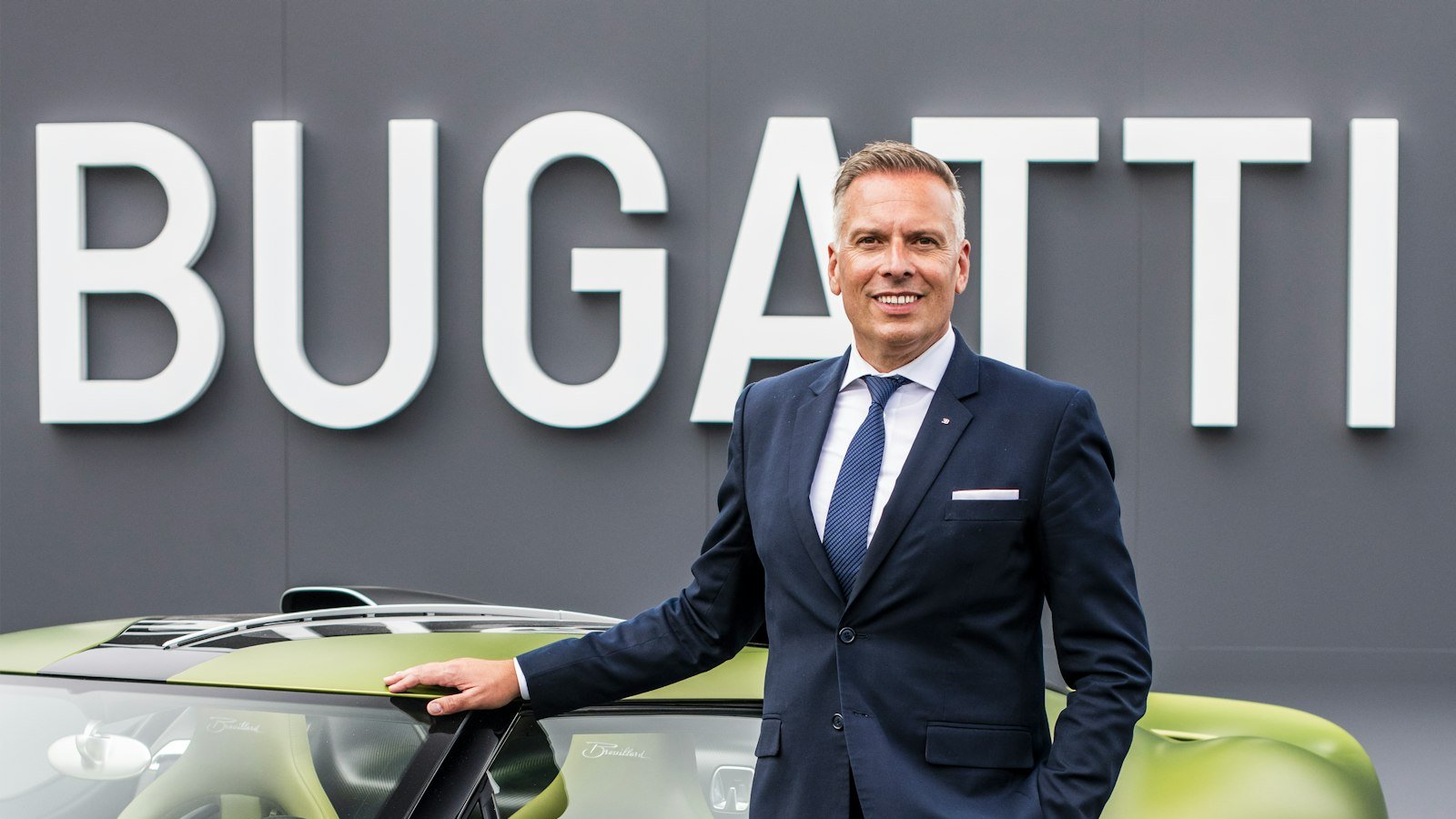
Hendrik A. Malinowski, a 14-year Bugatti veteran and former managing director, is now chief commercial officer of Bugatti Rimac, with sales, aftersales, customer experience, the dealer network and brand and marketing all reporting to him.
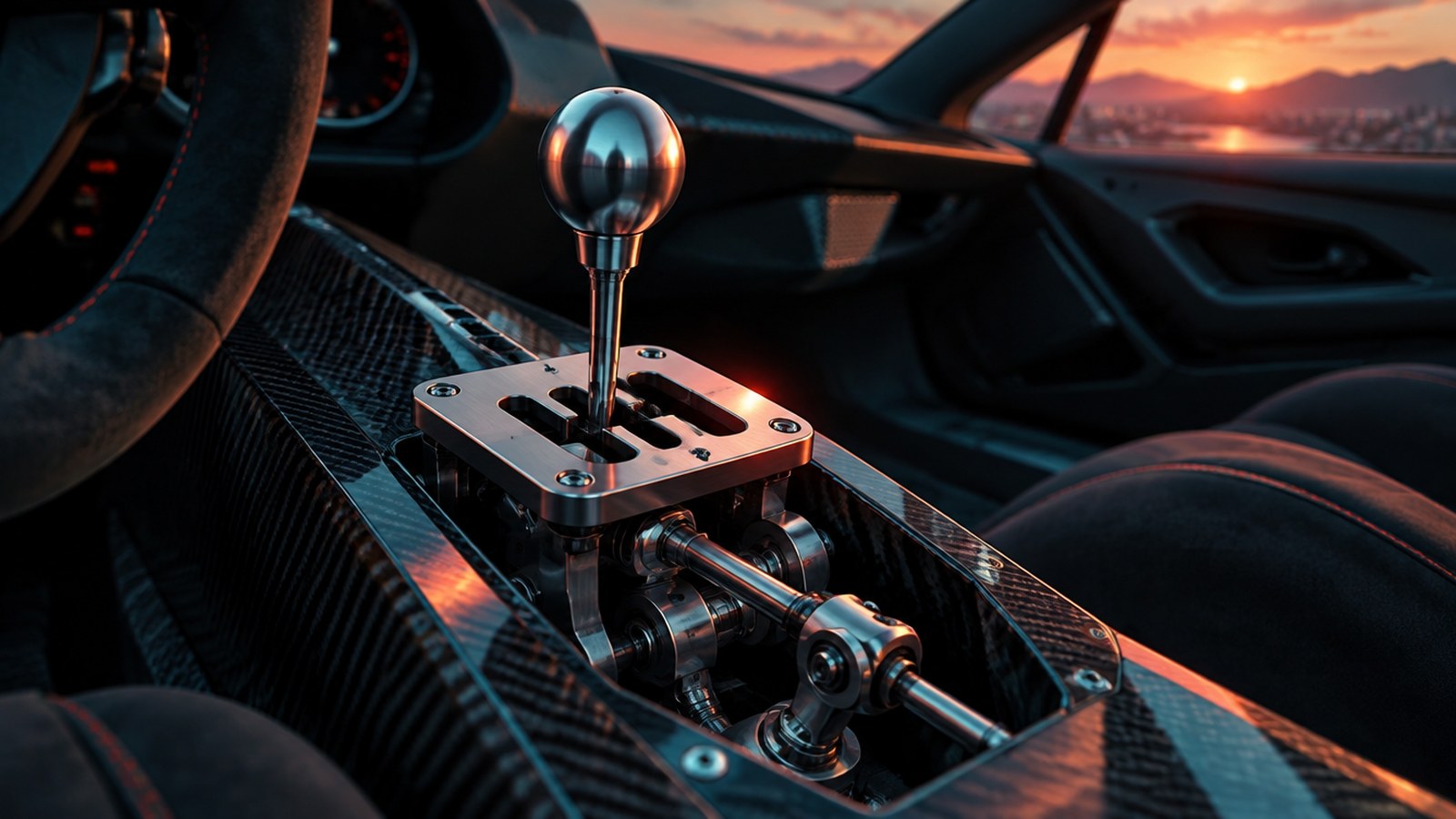
The most talked-about new supercars of 2026 share something old-fashioned: a clutch pedal. Here's what's real and what's simulated, what they cost, how few will be built, and what the market says analog cars are worth.
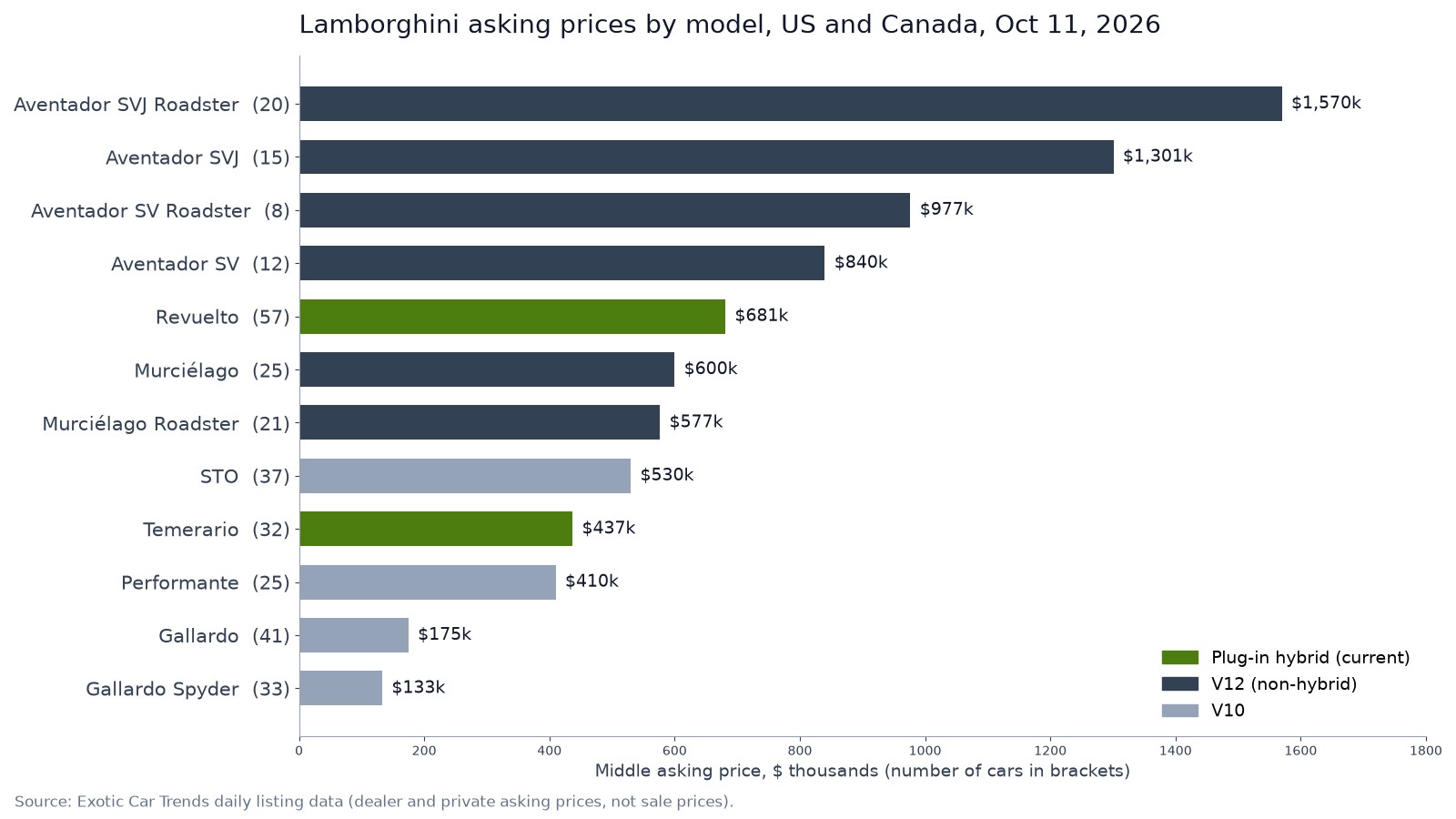
Every new Lamborghini is now a plug-in hybrid. Our data shows used Temerarios already asking close to sticker, Aventador SVJs seeing big but selective cuts, and the last V10 Huracán specials holding firm.